

A Journey to Preserve Kenya’s Heritage Through Art, Technology, and Community
In an ambitious fusion of history, art, and cutting-edge technology, a new collaborative project is set to transform a static photographic collection into a dynamic, traveling “living archive.” The Nordenskiöld Living Archive Project, named for the late photographer Kjell Gustaf Nordenskiöld, aims to engage students and researchers in a participatory mission to document, re-interpret, and safeguard Kenya’s rich architectural heritage while fostering a new wave of environmental consciousness.
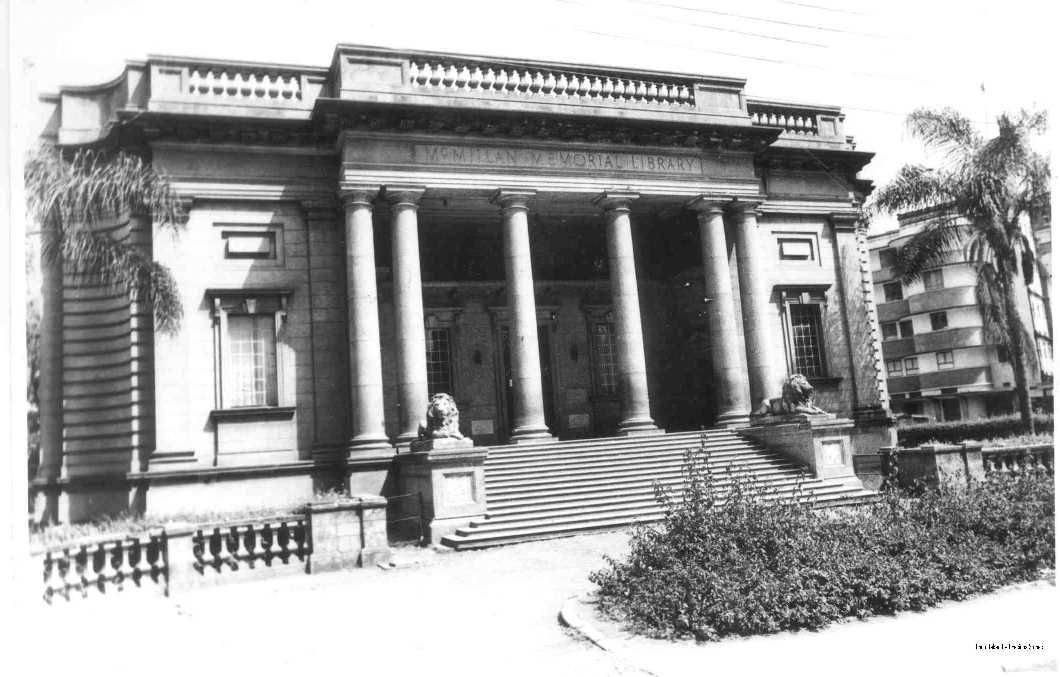
For 57 years, Nordenskiöld meticulously captured Kenya’s built environment, creating an unparalleled visual record of structures from the 19th and 20th centuries. His archive is more than a collection of buildings; it is a narrative of cultural exchange, colonial influence, and post-independence evolution, telling the epic story of Kenya’s relationship with Britain, Portugal, India, and beyond.
However, the project leaders pose a critical question: What is the state of these architectural landmarks today, and what stories do their current environments tell?
From Static Record to Living Journey
The Nordenskiöld Living Archive Project moves beyond the traditional exhibition model. It is conceived as a mobile, participatory laboratory that will travel to key university towns and cities across Kenya, from Nairobi to Mombasa, Nakuru to Kisumu.
At its core is a three-pronged approach:
1. Creative Technology & Digital Layering:
The original Nordenskiöld photographs will be digitized and geotagged onto an interactive online map. Using a dedicated project app, participants can visit the exact locations where the historical photos were taken. Through augmented reality (AR), they can view the historical image overlaid onto the present-day scene on their smartphone or tablet, creating a powerful, immediate visual dialogue between past and present.
2. Participatory Performance & “The Archive Walk”:
The project will organize guided “Archive Walks,” led by local artists and historians. Students and researchers will become active performers in the archive, physically retracing Nordenskiöld’s steps. They will be encouraged to not only document the current state of the architecture through their own photography but also to engage with the soundscape, the environmental changes, and the community narratives surrounding these sites.
3. Environmental Awareness & The “Biosphere Frame”:
A key innovative element is the introduction of the “Biosphere Frame.” Participants will be challenged to capture not just the building, but its relationship with its environment. Has vegetation reclaimed it? Is it threatened by urban development or rising sea levels? How has the local ecosystem changed? This shifts the focus from a purely architectural study to a holistic view of cultural preservation within an evolving natural context.
A Resource for the Curious and the Academic
The project is explicitly designed for students and researchers at all levels
Secondary & Undergraduate Students:
Will gain hands-on experience in digital archiving, field research, and interdisciplinary art-science projects. The app and walks provide an accessible, engaging entry point into history and environmental studies.
Postgraduate Researchers & Academics:
Will have access to a growing, crowdsourced database of comparative imagery and ecological data. This new layer of information, created by the participants, will be an invaluable resource for research in urban studies, climate change impact on heritage, post-colonial theory, and digital humanities.
A Call to Co-Create History
“The Nordenskiöld archive is our starting point, our historical anchor,” says a project spokesperson. “But the ‘living’ part of this archive is what you, the participants, will create. We are not just displaying history; we are inviting a new generation to write the next chapter of this story. By comparing Nordenskiöld’s Kenya with today’s Kenya, we are collectively building a powerful testament to change, resilience, and the indelible link between our cultural memory and our natural world.”
The Nordenskiöld Living Archive Project is more than a tribute to the architects of the past; it is an incubator for the citizen-archivists, eco-artists, and critical thinkers of the future. It is an open invitation to walk, to look, to question, and to contribute to a continuously evolving portrait of a nation’s soul.